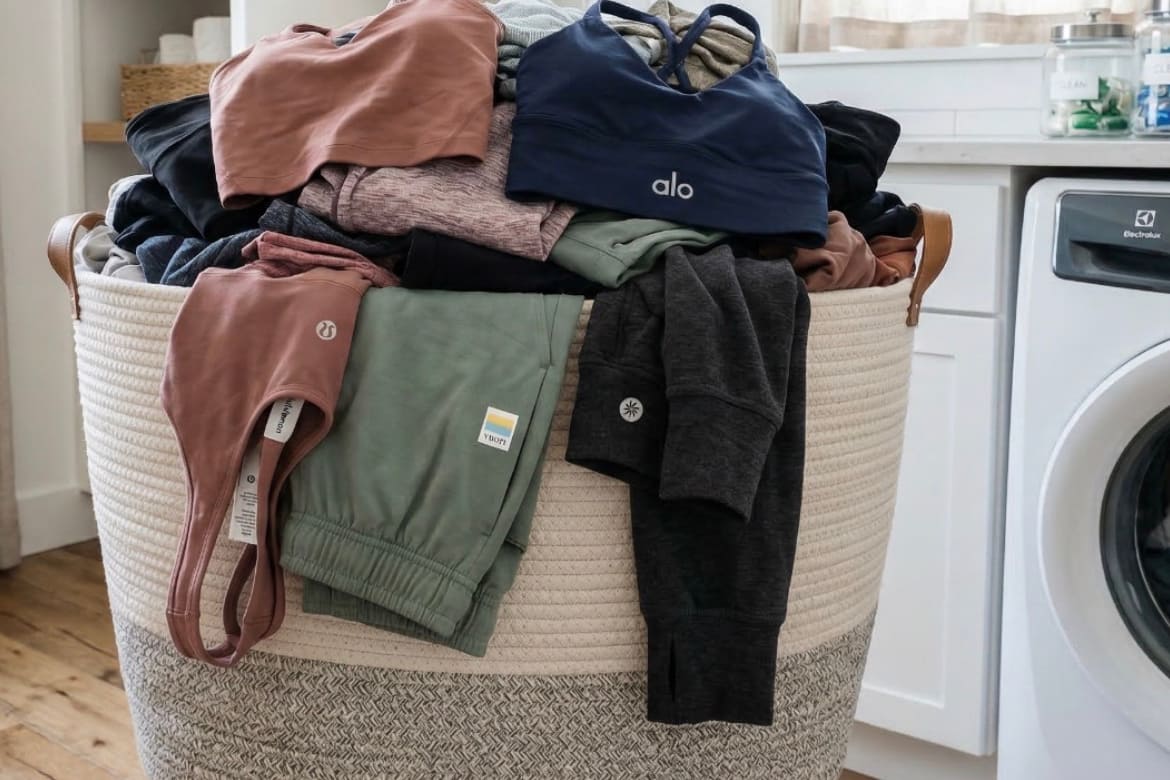
The best way to wash lululemon, Vuori, Alo and Athleta activewear is to wash synthetic sweat-wicking fabrics together in cold water using minimal detergent, then hang to dry. Avoid high heat, fabric softener, and mixing performance fabrics with cotton or wool. Proper laundry care helps prevent pilling, stretch damage, and odor buildup so premium activewear lasts longer.
If you’ve ever pulled your favourite leggings out of the dryer and wondered why they suddenly feel thin, stretched, or weirdly fuzzy… this post is for you.
I’ve been wearing technical activewear for years — training hard, washing often, and learning (sometimes the expensive way) what actually keeps these pieces looking and performing the way they’re supposed to.
The biggest takeaway?
Performance fabrics are not “just workout clothes.” They need different laundry habits.
First — Know What You’re Washing
Most premium sportswear from brands like lululemon, Vuori, Alo, and Athleta is made from engineered synthetic blends.
Think fabrics like:
- Nulu
- Everlux
- Nulux
- Ultralu
- Silverescent Swiftly knits
- Soft performance jersey
- DreamKnit-style blends
- Powervita or other nylon / polyester stretch fabrics
If it feels smooth, stretchy, sweat-wicking, and slightly cool to the touch — it belongs in your synthetic activewear category.
These pieces should be washed together.

My Basic Rule: Cold Water. Minimal Soap. Hang Dry.
This is the foundation. Every time.
Here’s exactly what I do:
- Wash on cold
- Turn everything inside out
- Use less detergent than you think you need
- Wash with similar fabrics only
- Hang to dry — always
I don’t overthink cycles. Normal or gentle both work. What matters most is temperature and fabric separation.
Too much detergent is one of the biggest mistakes people make. It builds up inside sweat-wicking fibers and actually makes clothes smell worse over time
Heat Is What Quietly Destroys Activewear
Dryers are convenient. I get it.
But high heat slowly breaks down Lycra and elastane — the fibers responsible for stretch and compression.
Over time you’ll notice:
- Waistbands loosening
- Leggings sliding down mid-workout
- Fabric feeling thinner
- Colours looking dull
- That “held-in” supportive feel disappearing
Even occasional high-heat drying adds up. If you want your Aligns, Wunder Trains, Airlift sets or Powervita tights to last, air drying is non-negotiable.
My Activewear Laundry Essentials
If you wear premium activewear often, a few simple laundry tools make a real difference. These are the kinds of products worth having on hand if you want leggings, bras, and technical fabrics to last longer.
1. A gentle detergent made for activewear
Look for a low-residue detergent designed for synthetic performance fabrics. This helps remove sweat and odor without coating the fabric or breaking down stretch over time.
2. Mesh laundry bags for delicate pieces
These are especially useful for lightweight tops, sports bras, and delicate technical fabrics that can snag on zippers, hooks, or other heavier items in the wash.
3. A drying rack that makes air drying easier
If you want your activewear to last, air drying matters. A good drying rack makes that habit much easier, especially if you wash workout clothes several times a week.
4. A lint roller or fabric-safe laundry tool
Helpful for keeping black leggings, soft brushed fabrics, and studio layers looking clean between washes, especially if you have pets or wash multiple fabric types in the same space.
This post may contain affiliate links. If you shop through them, I may earn a small commission at no extra cost to you.
About Vinegar (Because Everyone Asks)
Yes — vinegar can help reset odor in synthetic fabrics.
But using it in every wash isn’t a good idea. It can weaken stretch fibers and shorten the lifespan of the garment.
I treat vinegar like a deep clean tool, not a daily habit.
If something smells stubborn, I’ll add it occasionally. Otherwise, regular cold washing is enough.
The Real Reason Activewear Pills
It’s not always the fabric quality.
It’s usually what you washed it with.
Never mix technical fabrics with:
- Cotton hoodies
- Towels
- Fleece
- Wool
- Heavy knits
Natural fibers shed lint. That lint rubs against smooth synthetic surfaces during washing and creates friction — which leads to pilling.
Also check pockets before washing.
One forgotten tissue can ruin an entire load.
Pieces That Need Extra Care
Some items are just more delicate by nature.
I’m especially careful with:
- Swiftly tops
- Ultra-soft jersey tees
- Lightweight tanks
- Thin running leggings
These can snag easily.
If I’m washing them with other items, I’ll use a mesh laundry bag or at least make sure there are no zippers or bra hooks in the load.
Little habits like this make a huge difference long term.
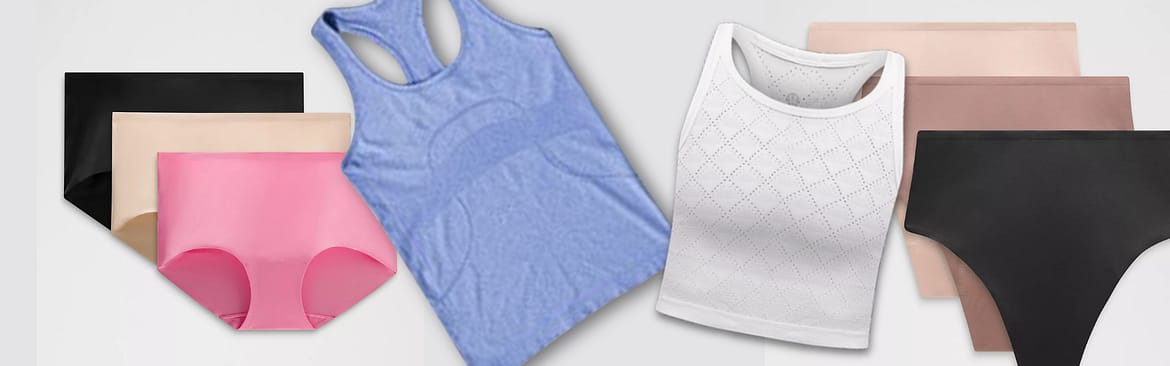
Laundry Tools That Are Actually Worth Buying
If you wear activewear often, a few simple upgrades help:
- Mesh laundry bags
- Activewear-specific detergent
- A proper drying rack
- A good lint roller
- Low-residue laundry pods
None of this needs to be complicated. But treating technical fabrics like everyday cotton will absolutely shorten their life.
FAQ: How to Wash Activewear Properly
Can you put lululemon leggings in the dryer?
It is better not to. High heat can damage Lycra and other stretch fibers over time, which can affect fit, compression, and fabric longevity. Hanging activewear to dry is the safest option.
Should you wash activewear separately from cotton?
Yes. Synthetic sweat-wicking fabrics should be washed separately from cotton, wool, towels, and other lint-shedding materials. Mixing them can increase friction and lead to pilling.
What is the best temperature to wash workout clothes?
Cold water is usually the best choice for performance fabrics. It helps protect stretch, reduce wear, and preserve the feel of technical materials used in leggings, bras, and workout tops.
Can vinegar ruin activewear?
Used occasionally, vinegar can help with odor buildup. Used too often, it may be harder on elastane and stretch fibers over time. It is better used as an occasional reset than as an every-wash habit.
Why does activewear pill in the wash?
Pilling usually happens because of friction. Washing technical fabrics with cotton, wool, towels, tissues, or rough items like zippers and hooks can damage the surface of the fabric and create pilling.
The Bottom Line
Premium activewear is an investment.
The way you wash it determines how long it performs, how it fits, and whether it still looks good six months from now.
Cold water. Minimal soap. Fabric separation. Air drying.
It’s simple — but it’s also the difference between leggings that last years and leggings that feel worn out after one season.
Coming next in this laundry series
- How to remove sweat odor from leggings and sports bras
- The truth about fabric softener and workout clothes
- How to wash Align leggings without pilling
- Laundry routines if you train multiple days a week
- The best drying setups for small spaces
Because honestly — building a great activewear wardrobe isn’t just about what you buy. It’s about how you care for it.